



*The colored areas of the map above represent parishes with currently known records for the given species (Source: Jeff Boundy, LA Dept. of Wildlife and Fisheries). By no means does it represent the full range of the species in the state, nor does it necessarily mean that a species can be found throughout the parish with the record. This is provided as a guide to where you might be able to find these species in the state and to aid in identification. A descriptive explanation of the range of each species can be found in the text below.
Other Common Names:
Subspecies: No subspecies recognized.
Description:
Similar Species:
Species Range:
Louisiana Range: Eastern Florida Parishes of Tangipahoa, Washington and St. Tammany.
Habitat:
Natural History:
Best Time and Place to Observe:
Global Conservation Status: Gopher Tortoises are listed as Vulnerable by the IUCN Red List. Their NatureServe Global Conservation Status Rank is G3 (Vulnerable).
Federal Conservation Status: The Gopher Tortoise is a federally threatened species in the western part of their range, including Louisiana, and a candidate species in the eastern part of their range.
Louisiana Conservation Status: Gopher Tortoises have a ranking of S1 (critically imperiled because of extreme rarity – 5 or fewer known extant populations) in Louisiana. In Louisiana, Gopher Tortoises have a State Protection Status of ‘prohibited’, meaning possession or harvest of this species is illegal.
*** If you live in the range of this species in Louisiana and believe you may have observed this species please let me know (take a picture if possible), as there may be more unknown populations in the state.***
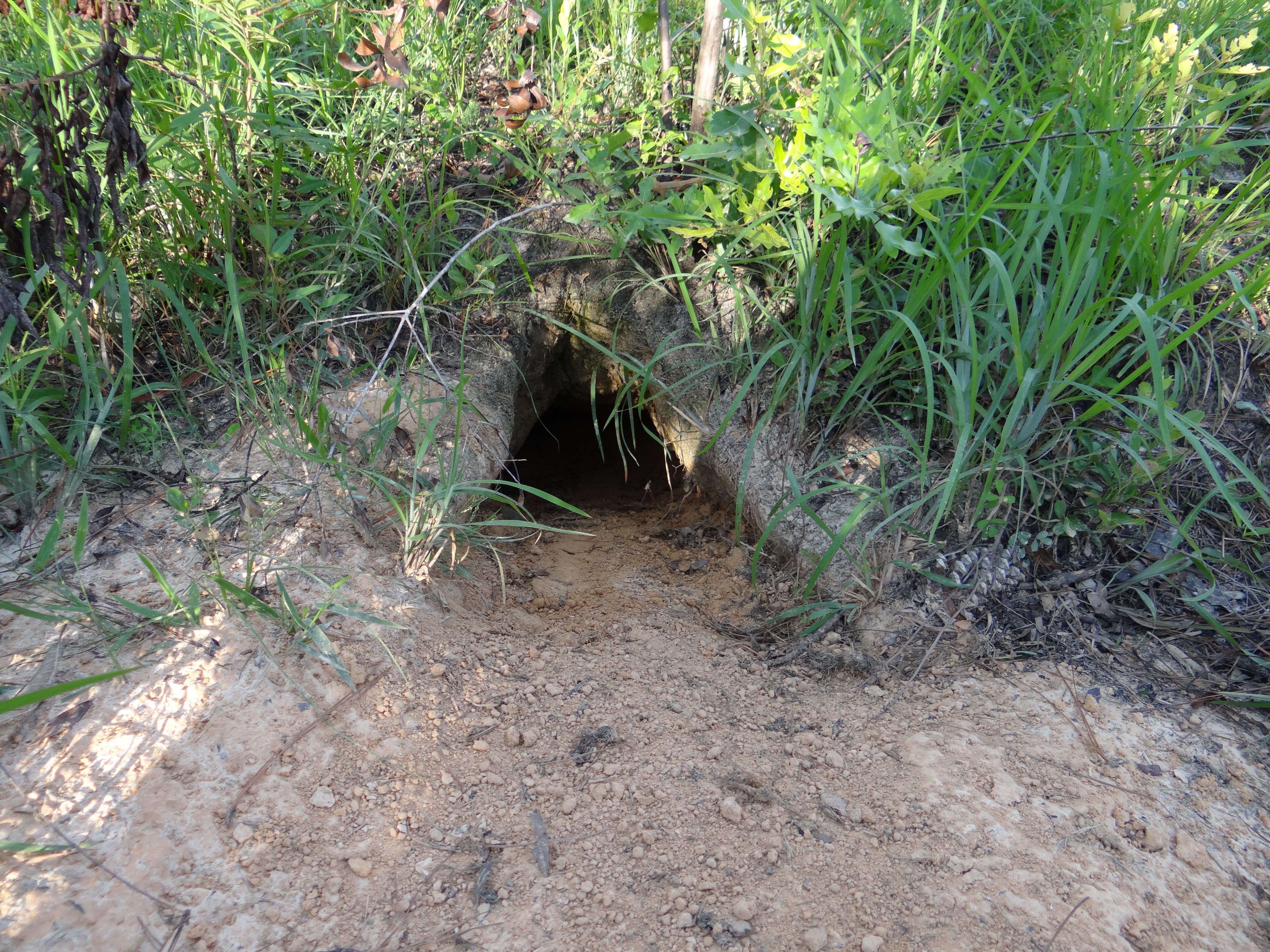
Author's Remarks: I have only observed this species in the wild in Louisiana with the aid of a burrow scope with a colleague in Tangipahoa Parish. I have been to a couple of their remaining populations, where I observed active burrows. In late 2016 I was involved in getting a suspected waif female tortoise found on a road in a subdivision in St. Tammany Parish to state officials. I have seen this species in both Mississippi and South Carolina, but do not have any good photos from those trips.
